
Supersavvyme: How to Sign Up and Be Selected
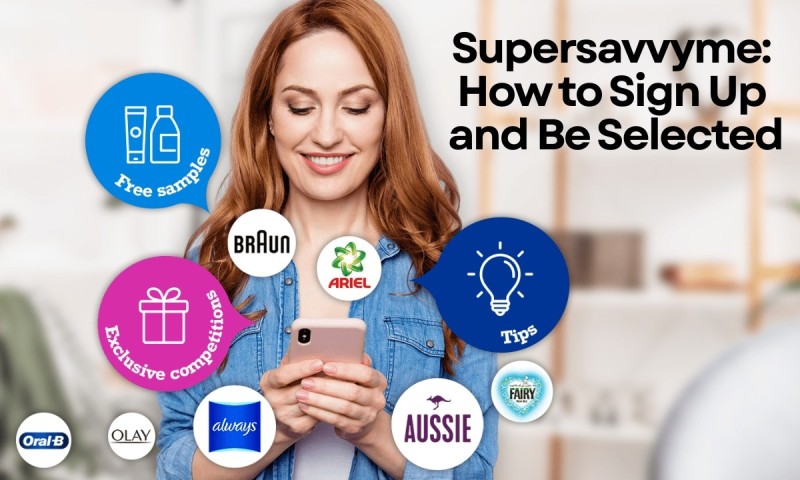
If you enjoy trying new products before everyone else and sharing your honest opinion, Supersavvyme’s Savvy Circle is one of the better-known product testing communities to have on your radar. It regularly runs campaigns across beauty, household and family categories, giving members the chance to receive products to test at home in exchange for feedback.
If you are looking for advice on Supersavvyme sign up or want to improve your chances of getting picked for product testing, the good news is that the process is fairly straightforward once you know what matters.
First steps
The first step is setting up your account properly. When you register, it is worth using a personal email address that you check regularly, as invitations and follow-up messages can be time-sensitive.
Once you have created your login details, make sure you verify your account through the confirmation email and complete any initial consent or preference settings. It is especially important to opt in to campaign emails, otherwise you could miss opportunities before you have even had the chance to apply.
A small but useful extra step is to add their sender address to your safe list so any invites are less likely to disappear into your junk folder.
Complete your profile
When your account is live, the most important thing you can do is fully complete your profile. This is where many people fall down.
Brands do not choose testers at random; they usually want people whose lifestyle, household and shopping habits genuinely match the product being tested. That means your profile should give a clear picture of who you are and how you live. Details such as the ages of people in your home, whether you have pets, your hair or skin type, dietary needs, allergies and even how often you shop online or in-store can all help match you to the right campaign.
If you regularly use categories like skincare, cleaning products, oral care, baby items or laundry products, make sure that is reflected accurately.
It also helps to think beyond the basics. Your location, availability and day-to-day routine can all play a part in whether you are a good fit for certain tests. For example, someone living in a hard water area may be especially relevant for a cleaning or laundry campaign, while a busy parent may be perfect for a family-focused household trial.
If the platform allows you to connect social channels or add a profile photo, that can also strengthen your application. You do not need a huge following to be considered. In many cases, authenticity and reliability matter far more than numbers.
Even so, a complete, up-to-date profile makes you look more engaged and easier to place. It is a good idea to review your details every month or so, especially if anything changes, such as moving house, changing your hair routine or getting a pet.
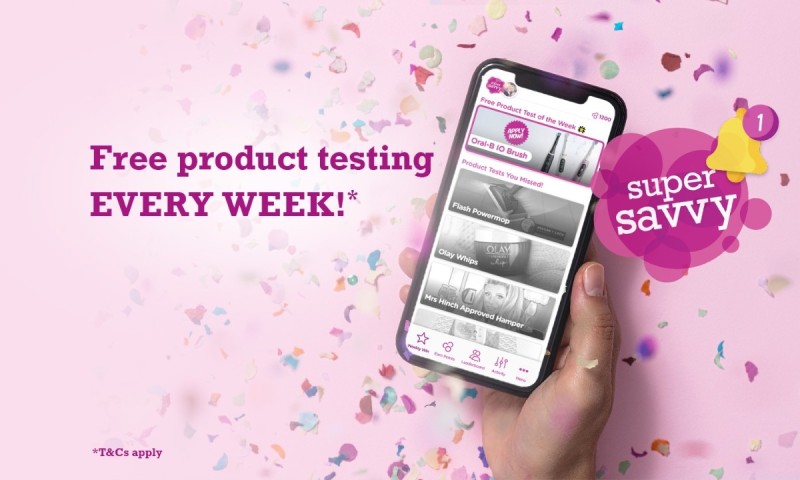
Apply for the campaign properly
When a campaign opens, the application itself is usually short, but that does not mean you should rush it. The best approach is to treat it like a mini pitch rather than a formality. Instead of writing something vague, try to respond directly to the brief and show that you genuinely understand the product category.
For example, if the campaign mentions things like sensitive skin, stain removal or family use, reflect that language naturally in your answers. Specific examples are much more convincing than generic enthusiasm. Saying that you wash school uniforms every evening and are constantly dealing with mud, grass and food stains is much stronger than simply saying you would love to try a laundry product.
It can also help to explain how you would actually test the item in real life. A strong application gives selectors confidence that the product will be used properly and reviewed thoughtfully. You might mention who in your household would use it, how long you would test it for and what you would compare it against.
If there are relevant factors that affect your experience, such as allergies, braces, hard water or sensitive skin, these can be useful to include too. Brands often want feedback from people with real, everyday variables, not just ideal conditions. At the same time, honesty matters. You do not need to pretend to be an expert in every category. In some cases, being new to a product type can actually make your perspective more useful.
Social media
If you are active on social media or run a blog, you can mention that as part of your application, but it should feel realistic rather than overpromised. A simple note that you would be happy to share a photo, a short video or a written review is enough if that is genuinely what you can deliver.
It is also worth signalling that you are dependable. If you have completed reviews on time before, whether on tester platforms or retail sites, that can work in your favour. Ultimately, selectors want people who will follow through to the end of the campaign, not just those on the lookout for a freebie.
If you post publicly, remember to use the correct disclosure, such as #gifted, #sponsored or AD – PR product, where appropriate. That kind of transparency protects both you and the brand, and it helps build trust with your audience. It is also important to avoid exaggerated claims, especially around health, skincare or personal care. Stick to your own experience rather than making promises the product may not officially support.
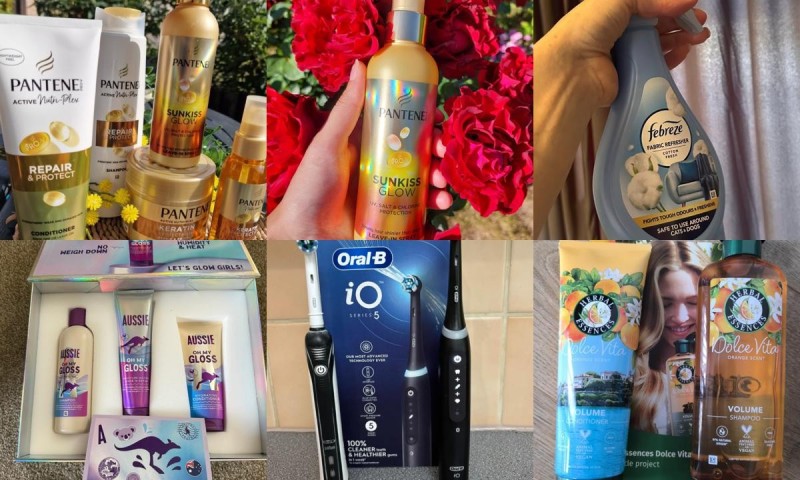
The review
Once you are selected, the review stage matters just as much as the application. Brands are looking for feedback that is honest, useful and grounded in actual use. The strongest reviews usually include practical detail: what the product looked or felt like, how easy it was to use, whether it delivered on its claims and who it would suit best.
Balanced feedback is completely fine, and often more credible than a glowing review that says very little. If something did not work for you, explain why in a fair and constructive way.
If you are asked to share photos or videos, aim to keep them clean, clear and natural. Good lighting and a tidy background go a long way, and it is usually best to avoid showing competitor products in the same shot.
What to do
One of the easiest ways to improve your chances of being chosen again is simply to be reliable. Meet the deadlines, complete any required surveys and submit your review on time.
Many campaigns involve more than one task, so it is worth setting yourself a reminder as soon as the product arrives. People often focus heavily on getting selected, then lose momentum once the item turns up.
Missing deadlines, disappearing after being picked or failing to submit the full feedback requested can quickly damage your chances of future invites.
Mistakes to be avoided
There are a few common mistakes that are easy to avoid. Generic applications are one of the biggest. If your answers could be pasted into any campaign, they are probably too broad.
Half-finished profiles are another issue, as are poor-quality images and missing disclosure on public content. Some users also make the mistake of applying for every campaign regardless of fit, which can make their account look less targeted.
And, of course, product samples should never be resold, as that can put your account at risk. If something unexpected happens and you cannot complete a campaign, it is always better to communicate than go silent.
Final thoughts
Overall, Savvy Circle can be a worthwhile platform if you approach it with a bit of care. Signing up is simple enough, but getting selected tends to come down to three things: having a complete profile, applying thoughtfully and following through professionally when chosen. You do not need to be an influencer or a marketing expert. You just need to be honest, relevant and reliable.
You will always find new Savvy Circle tests promoted on the Magic Freebies homepage, as well in both the beauty category and home & garden.