
Challenge Yourself to a No-Spend Day, Week or Month
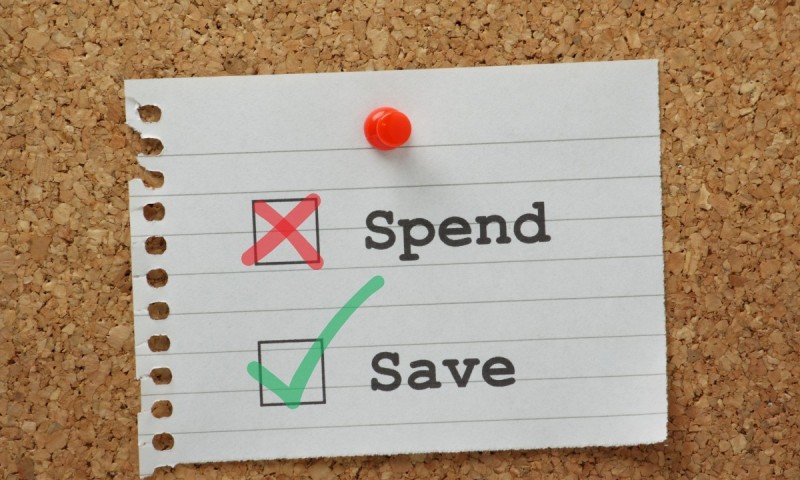
Spending money in 2026 is almost effortless. With one-tap payments, personalised ads and next-day delivery as the norm, it’s never been easier to buy something you didn’t plan to buy.
At the same time, the ongoing cost of living pressure means many households are feeling the squeeze more than ever. That combination has led to a surge in people trying one simple but powerful reset: the no-spend challenge.
What is a no-spend challenge?
A no-spend challenge is exactly what it sounds like. For a set period of time, whether that’s a day, a week or even a full month, you commit to only spending on essentials such as rent, bills, transport and basic groceries.
Everything else is paused. No takeaways, no impulse shopping, no quick “treats” that add up without you noticing. If you want a deeper overview of how these challenges work, this guide from Verywell Mind explains the concept in more detail.
Why it’s relevant in 2026
What makes the challenge particularly relevant in 2026 is how invisible spending has become. Subscriptions renew automatically, contactless payments remove the friction of handing over cash, and targeted online ads are designed to catch you at exactly the right moment. According to recent savings trend roundups like this one from ThinkMoney, structured challenges are becoming more popular because they bring awareness back to everyday spending habits.
Choosing the correct challenge for you
No spend day
Choosing the right version of the challenge is key to sticking with it. A no-spend day is often the easiest place to begin. Picking a single day each week where you spend nothing at all can quickly highlight just how often you reach for your card out of habit.
It’s a small shift, but one that builds awareness without feeling overwhelming.
No spend week
If you’re ready for something more substantial, a no-spend week introduces a bit more structure. Planning meals in advance, avoiding takeaways and using what you already have in your cupboards becomes essential.
Many people find that this is where the biggest mindset shift happens, as you begin to notice how much of your usual spending is driven by convenience rather than necessity.
No spend month
A full no-spend month is the most challenging version, but also the most transformative. For thirty days, all non-essential spending is cut out completely.
It requires preparation, especially around food, social plans and digital temptations, but the results can be significant. Stories shared in the press, such as this example of people saving hundreds through structured challenges, show just how impactful a focused reset can be.

How to make your challenge successful
Success with a no-spend challenge usually comes down to preparation rather than willpower. Setting clear rules at the beginning makes a huge difference. What counts as essential should be defined in a way that works for your lifestyle, rather than copying someone else’s approach. At the same time, having a clear reason for doing the challenge—whether that’s building savings, paying off debt or simply regaining control—gives you something to stay focused on when temptation creeps in.
Reducing temptation in a digital world
Reducing temptation is especially important in a digital-first world. Removing saved card details, unsubscribing from marketing emails and even deleting shopping apps can create just enough friction to stop impulse purchases.
Many people also find that introducing a simple pause before buying anything helps break the cycle. Waiting 24 hours, or longer for bigger purchases, often reveals that the urge to buy passes quickly. Discussions around this approach are common in online communities such as Reddit.
Replacing spending with better habits
Another key part of making the challenge sustainable is replacing spending with something else. Without that, it’s easy to feel like you’re simply depriving yourself.
Cooking from scratch, getting outside more, rediscovering hobbies or even tackling long-delayed decluttering projects can all fill the gap in a way that still feels rewarding.
One surprisingly motivating technique is to track what you didn’t spend. Each time you avoid an unnecessary purchase, noting it down and adding it to a running total can create a sense of progress that keeps you engaged.
Banks and budgeting apps have started to recognise this behaviour, with guides like this one from Starling Bank highlighting how visible progress can reinforce better habits.
It doesn’t have to be perfect
It’s also worth remembering that the challenge doesn’t need to be perfect to be effective. One slip doesn’t undo the benefits. In fact, recognising when and why you spent can be just as valuable as sticking to the rules. The goal isn’t to eliminate spending entirely, but to become more intentional about it.
Ultimately, a no-spend challenge is less about restriction and more about awareness. It creates space to reset your habits, step back from automatic spending and decide what actually matters to you financially. Starting small, even with a single day, can be enough to change how you think about money. And once that shift happens, the results tend to follow.